Faversham Osteopathy

Our Clinic is located in Faversham town Centre in Preston Street, at Waterman and Webb Barbers. We have a cosy basement room where you feel the privacy and warmth of the healing environment.
Faversham Osteopathy began in Country Practice, Brogdale Farm, moving to the Centre of town in Prestige shortly after the pandemic. We moved to our own space in Waterman and Webb in 2023, now having our own space to work from.
We have been keeping the families of Faversham and surrounds out of pain and moving well since 2013 and are highly trusted by our patients, who often refer their friends and family to us.
We have a team of 2 Osteopaths working from Faversham, covering 5 days a week, including Saturday.
Faversham Osteopathy Opening Hours
Monday 10am – 6pm
Tuesday 10am – 6pm
Wednesday 10am – 4pm
Friday 10am – 5pm
Saturday 10am – 4pm
Faversham Osteopathy Practitioners
Tamsyn Webb:
Mondays and One monthly Thursday pm
Terry Dupertuis:
Tuesdays, Wednesdays and Saturdays
Services & Prices
Osteopathy
Initial Consultation: £60.00
Includes full case history, examination, diagnosis and first treatment.
Select this appointment type if you have not been to our clinics before, or in the last 2 years.
Please note a deposit will be taken when booking this appointment type. The deposit will go towards the cost of the first appointment.
30 minute Follow-Up Appointment: £44.00
Includes re-examination, treatment, exercise prescription/modification if required.
1 hour Follow-Up Appointment: £76.00
Includes re-examination, treatment, exercise prescription/modification if required.
If multiple areas need treatment, a 1 hour follow-up might best suit your needs.
Cranial Osteopathy for Adults (Craniosacral Therapy)
Initial Consultation: £60.00
Includes full case history, examination, diagnosis and first treatment.
Select this appointment type if you have not been to our clinics before, or in the last 2 years.
Please note a deposit will be taken when booking this appointment type. The deposit will go towards the cost of the first appointment.
30 minute Follow-Up Appointment: £44.00
Includes re-examination, treatment, exercise prescription/modification if required.
1 hour Follow-Up Appointment: £76.00
Includes re-examination, treatment, exercise prescription/modification if required.
If multiple areas need treatment, a 1 hour follow-up might best suit your needs.
Cranial Osteopathy for Babies (Craniosacral Therapy)
Initial Consultation: £60.00
Includes full case history (on the pregnancy and birth), examination, diagnosis and first treatment.
Select this appointment type if your baby has not been to our clinics before.
Please note a deposit will be taken when booking this appointment type. The deposit will go towards the cost of the first appointment.
30 minute Follow-Up Appointment: £44.00
Includes re-examination & treatment.
Dry Needling
All of our Osteopaths use Dry needling as an adjunctive or standalone approach to treatment. Please book an Osteopathy appointment and add your treatment preference as dry needling in the notes.
Initial Consultation (osteopathic): £60.00
Includes full case history, examination, diagnosis and first treatment.
Select this appointment type if you have not been to our clinics before.
Please note a deposit will be taken when booking this appointment type. The deposit will go towards the cost of the first appointment.
30 minute Follow-Up Appointment: £44.00
Includes re-examination & treatment.
About Our Treatments
About Osteopathy
What is Osteopathy?
Osteopathy is a gentle, hands-on approach to healthcare that focuses on how your body moves, functions, and heals. It’s based on the principle that your body works best when its muscles, joints, nerves, and circulation are in balance—and that restoring this balance can ease pain, improve mobility, and support your overall wellbeing.
- Osteopaths are Musculoskeletal Specialists with refined skills in palpation, diagnosis and hands on treatment.
- We diagnose and treat musculoskeletal conditions affecting tissues such as the muscles, joints, fascia, tendons, ligaments and nerves.
- Our treatments are grounded in a thorough understanding of anatomy, physiology, pathology and exercise and are used by thousands of people every year to enhance their comfort, health and overall wellbeing.
- Alongside other healthcare practitioners, such as GP’s, Pharmacists, Opticians, Nurses and Midwifes, Osteopaths are regulated healthcare professionals.
- Osteopaths are regulated by the General Osteopathic Council in the UK and hold specific insurance to be registered to to practice Osteopathy and call themselves an Osteopath.
- Tamsyn works for the General Osteopathic Council as an Osteopathic Member of the Professional Conduct Committee, as well as being an Osteopath in Practice.
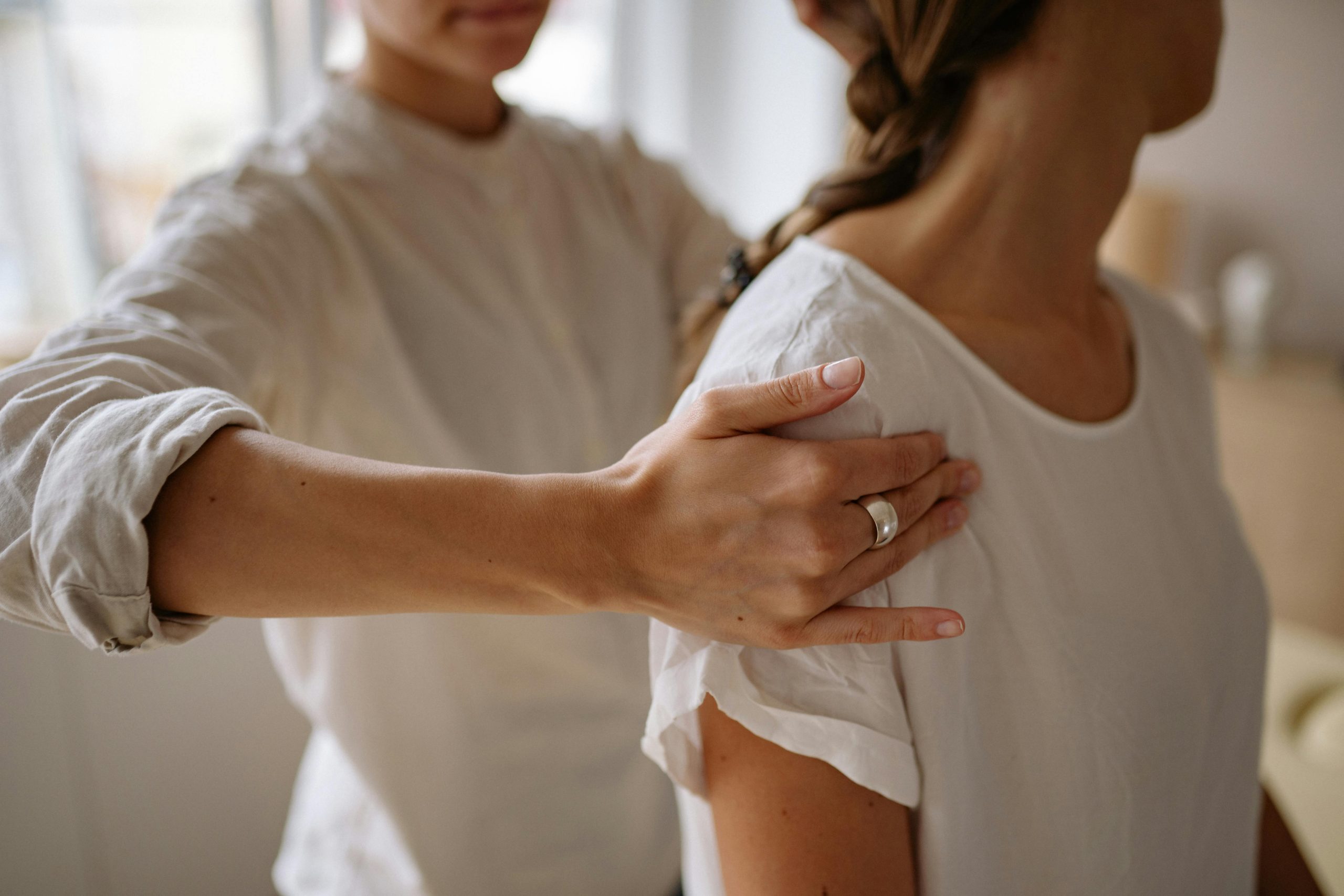
As well as being the Principal Osteopath at Faversham Osteopathy and Folkestone Osteopathy, Tamsyn works for the General Osteopathic Council as an Osteopathic Member of the Professional Conduct Committee. She uses her knowledge from this role to pass on to her colleagues, enhancing the level of patient care at our clinics.
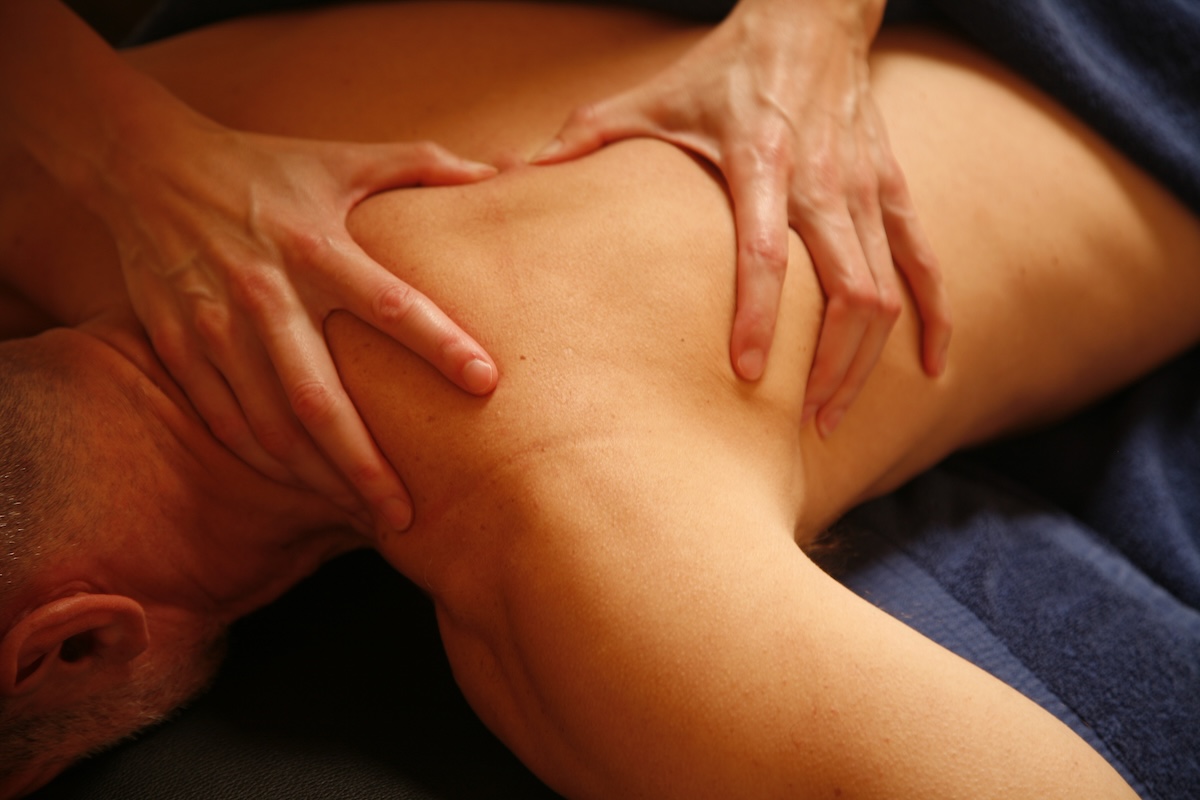
Why Choose Osteopathy?
More than just pain relief—Osteopathy is a proactive approach to health and wellbeing, delivered by allied healthcare musculoskeletal professionals.
Rooted in the belief that your body has its own natural ability to heal, osteopathy supports that process by restoring balance, easing tension, and helping you feel your best from the inside out.
Osteopathy is suitable for people of all ages and is very varied, allowing an adaptable approach based on you as an individual.
Through osteopathic examination, treatment & tailored lifestyle advice you will feel more at ease in your body, move with confidence, and be able to enjoy life to the full without discomfort standing in your way.
Many people find Osteopathy relaxing, restorative, and empowering for their everyday health and wellbeing, as well as being a tool to diagnose and treat specific musculoskeletal conditions.
Can everyone benefit from Osteopathy?
Osteopathy is very versatile and helpful for everyone – from newborn babies to atheletes, working adults to older adults and teenagers – read on for examples of how osteopathy can help different groups of people for transitional challenges or general wellbeing throughout their lives.
Babies
Very gentle and subtle cranial / craniosacral osteopathy assists with unsettled babies and aids with mobility if your baby appears restricted.
Working age adults (deskbound/driving)
Osteopathy can assist with postural issues, joint restrictions and pain associated with desk work or repetitive movements, restoring balance and mobility to your body.
Working age adults (manual work)
Manual work can predispose you to developing things such as sciatica – osteopathy can help not only treat musculoskeletal conditions, but assist you in keeping symptoms at bay, so you are able to work comfortably.
Older adults
Osteopathic treatment is very useful for older adults, combatting pain associated with arthritis, or maintaining mobility and strength, osteopaths are able to support older adults in staying mobile and healthy. With adaptable approaches, osteopathy can often be safely used in patients with health conditions, which will be discussed in your first appointment with us.
Active People and Athletes
Osteopathy helps you to stay at the top of your game, whatever your level in sport. We are able to treat minor sports injuries and assist with exercise rehabilitation and lifestyle advice to get you returning to sport confidently and support your body in maintaining balance and strength.
People going through stressful experiences
Osteopathy and cranial Osteopathy are very helpful for people who are dealing with high levels of stress. Often pain can go unnoticed and bodies suffer whilst people deal with the transitional period of their lives. Many musculoskeletal symptoms worsen during times of stress and osteopathy can help to keep these symptoms at bay, by helping relaxation and taking away the additional layers of stress from musculoskeletal discomfort.
Teens and children
Teenagers and children also go through transitions. Cranial osteopathy and osteopathy can assist teens and children in maintaining their musculoskeletal health and mobility during times of physical growth and challenges at school.
Evidence – Base:
In research, Osteopathy has demonstrated good evidence for effectively helping with:
- Chronic non-specific low back pain
Multiple meta-analyses found OMT significantly reduces pain and improves functional status compared to control or sham treatments. - Chronic non-specific neck pain
OMT demonstrated measurable improvements in pain relief and mobility. - Chronic non-cancer pain
Systematic reviews support OMT as an effective adjunct therapy for managing persistent musculoskeletal pain. - Low back pain during pregnancy and postpartum
Evidence suggests OMT can reduce discomfort and improve function in pregnant individuals
Cranial Osteopathy (Craniosacral)
What is Cranial Osteopathy?
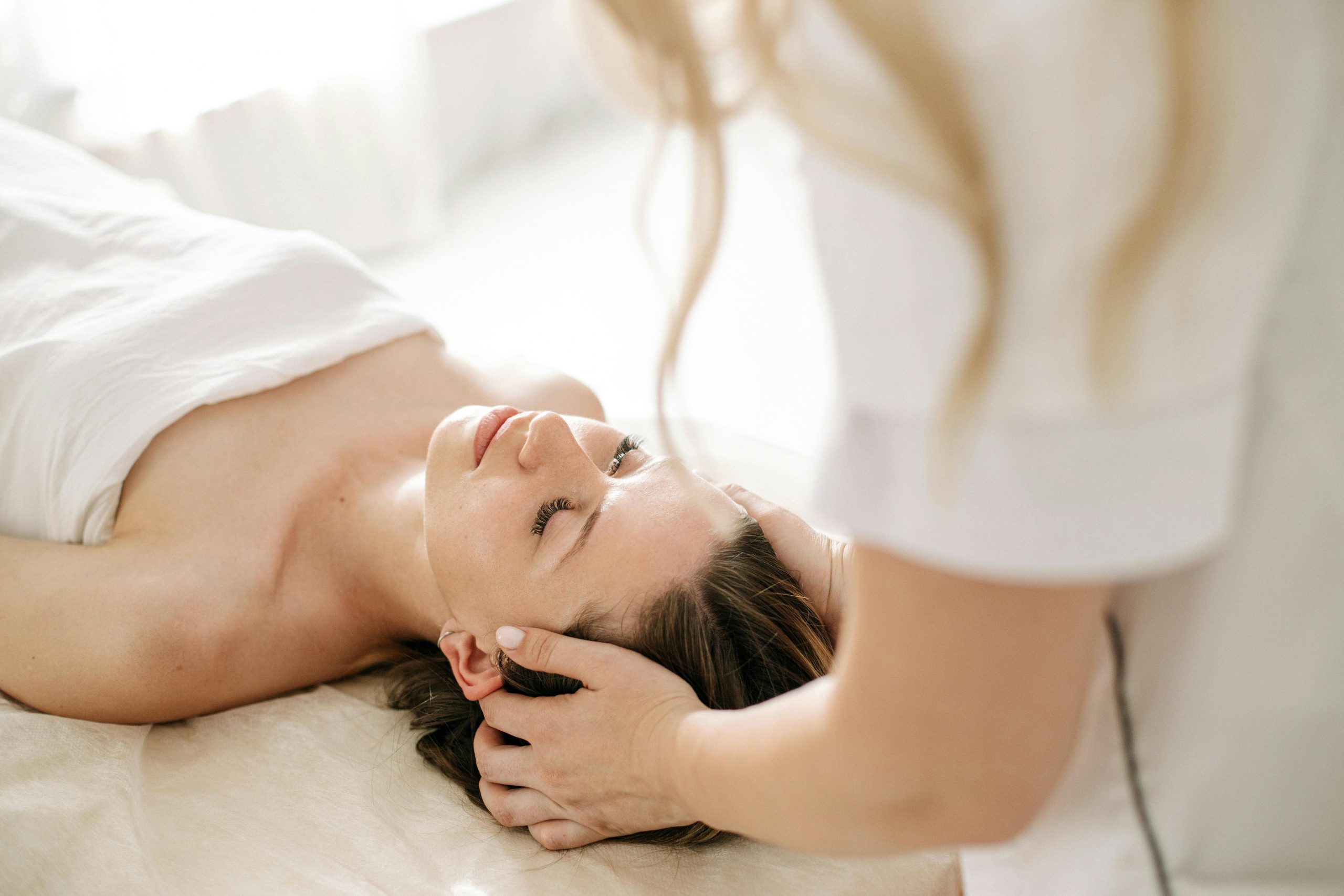
Cranial osteopathy is a gentle, refined form of osteopathic care that focuses on palpating and aiding the body in releasing subtle tension patterns.
The release of these tensions helps to support to restore balance and function to the body, and is also a very relaxing experience for people of all ages, including children and babies.
Cranial Osteopathy vs Craniosacral Therapy: Although sharing the same background, Cranial Osteopathy is rooted in Osteopathic Philosophy and taught within osteopathic training. It is practised by qualified osteopaths who have completed full professional education encompassing Cranial Osteopathy.
- Despite the term “Cranial”, Osteopaths contact the head and other points of the body such as the spine and sacrum, with light, highly trained touch to diagnose and release tensions indirectly.
Craniosacral therapy is now being taught as a standalone practise to therapists who are not osteopaths, hence the difference in name.
- Due to their high levels of professional healthcare training, alongside other healthcare practitioners, such as GP’s, Pharmacists, Opticians, Nurses and Midwifes, Osteopaths are regulated healthcare professionals.
- Osteopaths are regulated by the General Osteopathic Council in the UK and hold specific insurance to be registered to to practice Osteopathy and call themselves an Osteopath.
Cranial Osteopathy for Babies
Cranial Osteopathy is useful for unsettled babies as a very gentle form of treatment. Although the evidence is not clearly established as Cranial Osteopathy is difficult to study, many parents turn to us as Cranial Osteopaths to support their baby through transitions in their first year, keeping them comfortable and happy.
How Does Cranial Osteopathy Work?
Osteopaths use highly trained touch to feel for slight tensions in your baby’s body. They then use their hands to follow the body as it begins to release and unwind the tension.
This is very different from normal Osteopathy – EG, if you have a restriction in the joint, in normal osteopathy we will go against the resistance to encourage freedom of movement, rather than following the body and awaiting a release.
What can Cranial Osteopathy Help with?
Cranial Osteopathy is commonly sought for the following:
Unsettled Babies
Very gentle and subtle cranial / craniosacral osteopathy assists with unsettled babies and aids with mobility if your baby appears to be restricted in any movement.
Adults with stress and tension related discomfort
Cranial osteopathy is a very gentle and nurturing approach – for adults or teens who are going through stressful or traumatic times, people often find it is a great way to allow the nervous system space and time to relax, gently releasing tensions and improving comfort levels during transitional times in life.
As Cranial Osteopathy is a very subtle, gentle, yet powerful alternative to Osteopathic treatment, some adults who react too strongly to Osteopathic treatment find Cranial is the perfect approach to support their body in healing.
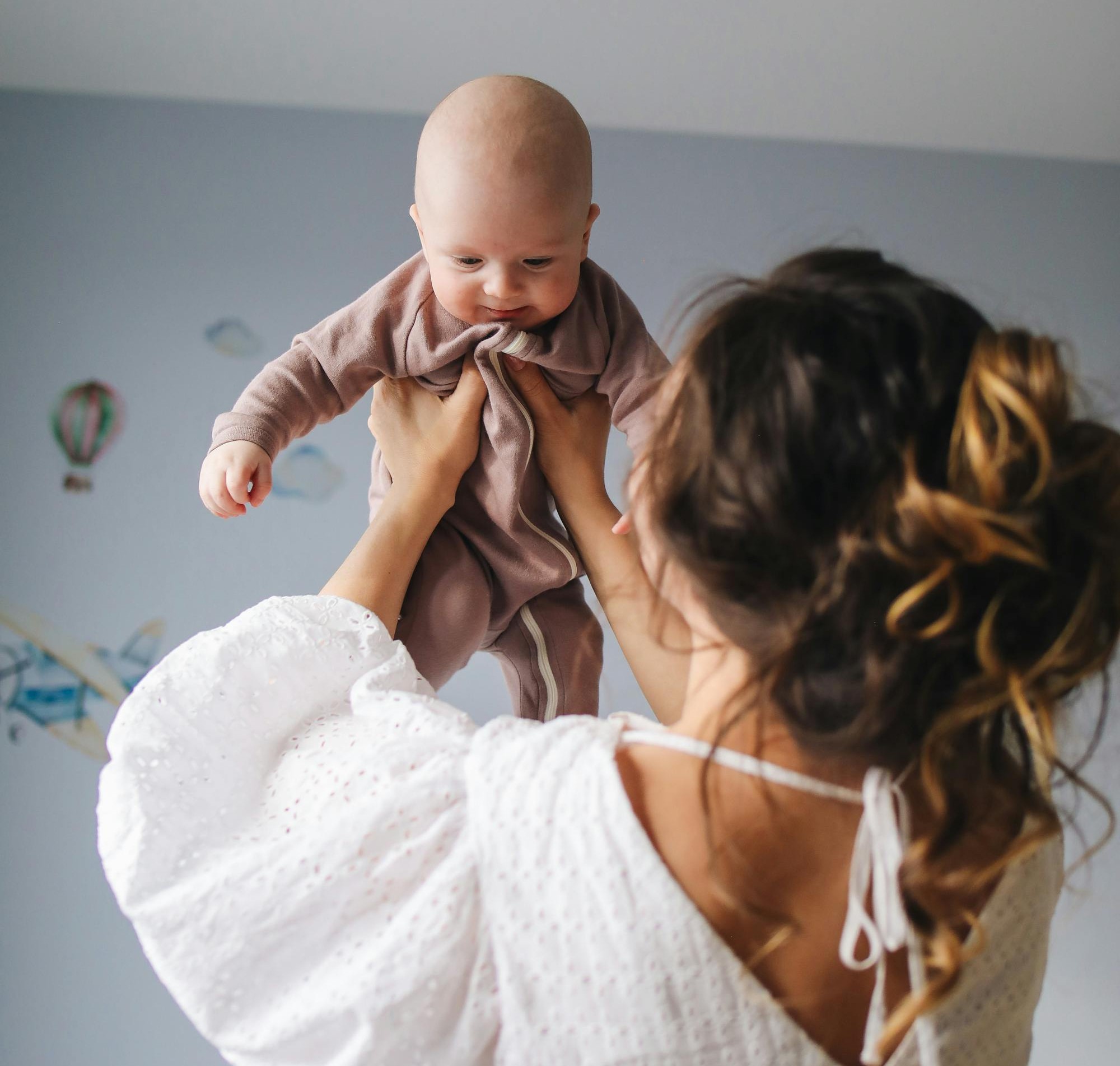
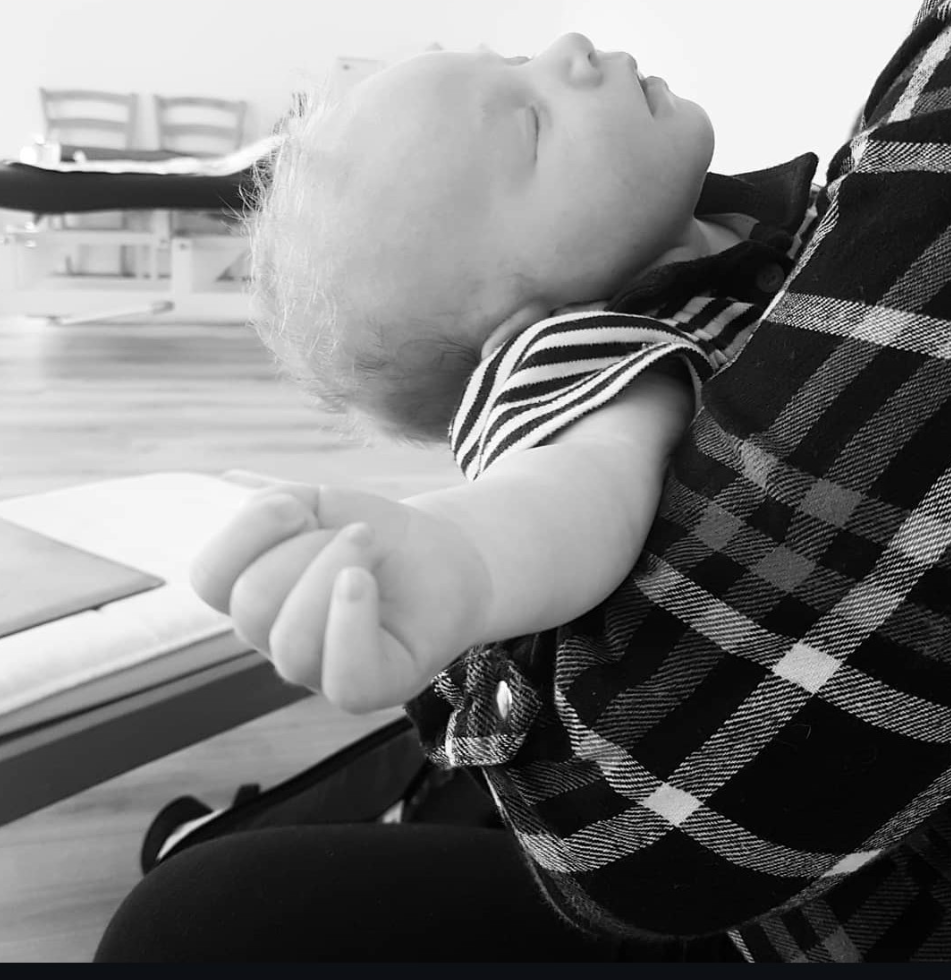
Our favourite photo of a baby after a treatment session with Tamsyn:
Dry Needling
Dry Needling, Western Medical Acupuncture
A modern spin on an Ancient Practice – Dry Needling combines the Eastern acupuncture technique with the Western Medical understanding of Pain science and injury rehab to deliver a super effective treatment. Offered by our Osteopaths for no extra cost.
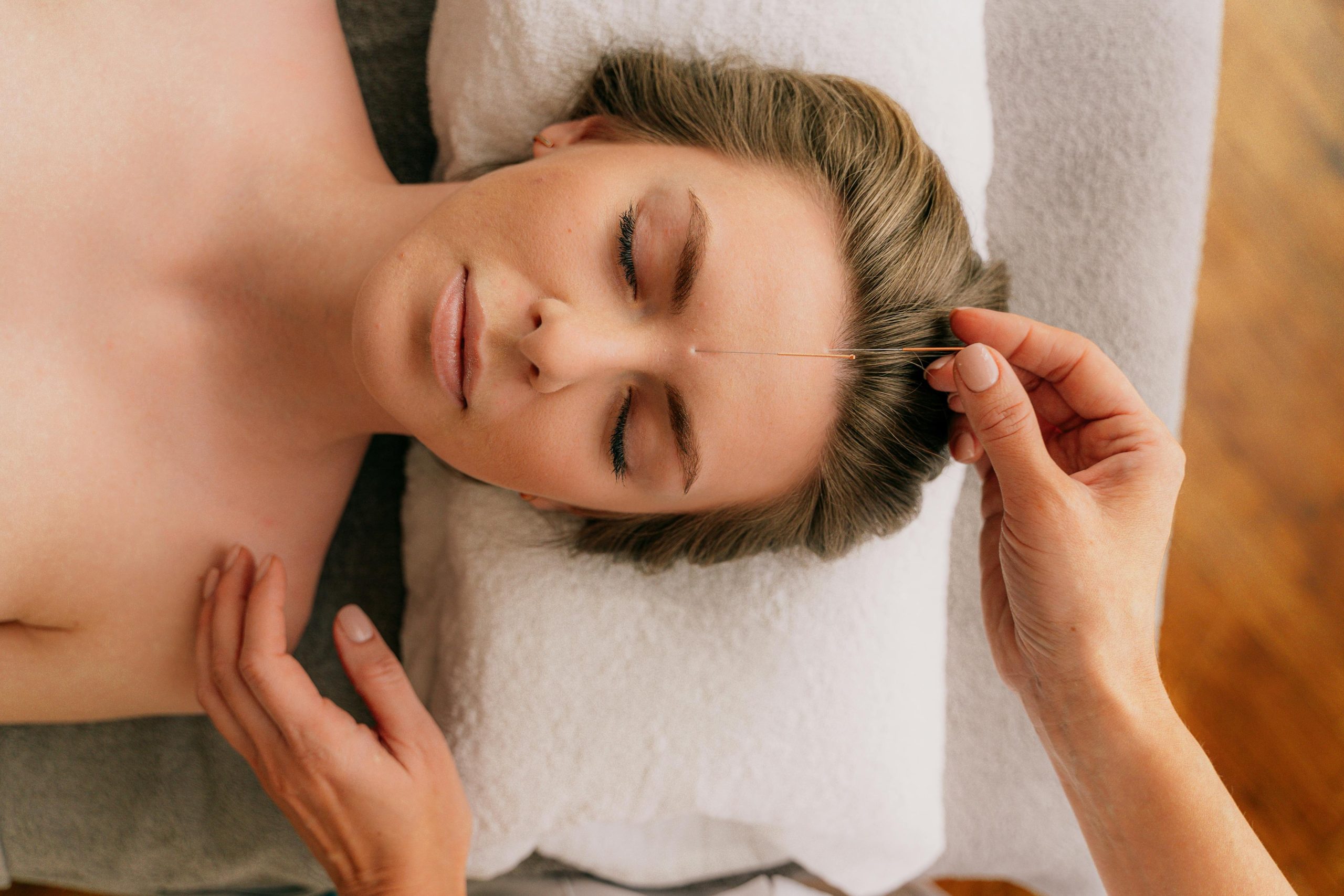
Dry needling involves inserting ultra-fine, sterile needles either just under the skin, or into specific myofascial trigger points—tight bands of muscle that can cause pain, stiffness, and restricted movement. Unlike acupuncture, dry needling is rooted in Western medicine and musculoskeletal anatomy.
Contrary to what you might think, Dry Needling is often experienced as relaxing treatment and offers a very effective form of pain relief. Many people do not notice the needles going in at all.
How do I book a Dry Needling Appointment?
Please book an Initial Osteopathy Appointment at either clinic – we will still need to take a full case history and conduct a full examination prior to Dry Needling, so these appointments are the same. When booking, you can add a note requesting Dry Needling approach. All of our Osteopaths offer this and will be able to discuss treatment options with you.
Evidence-Based Benefits
Recent studies show that dry needling can:
- Reduce pain intensity and improve range of motion
- Accelerate recovery in athletes with muscle dysfunction
- Improve gait, strength, and mobility in targeted regions
Patients often report relief within 24–48 hours, with minimal side effects such as mild soreness or fatigue.
All of our Osteopaths offer Dry Needling as an approach to treatment, so please book an osteopathy appointment and discuss with your osteopath.
What to Expect from your Appointment
First Appointment Checklist
- Form Completed
- List of medication, surgeries, conditions, allergies if needed
- Any recent scan results
- Shorts (for osteopathy, massage and dry needling, not needed for cranial)
- Any questions you have
- Any preferences for or against certain treatment types
An Outline of Your First Osteopathy Appointment
Your first 1 hour Appointment will be divided into 4 parts:
1. Case History discussion (approx 15 – 20 minutes)
2. Examination (approx 10-15 minutes)
3. Diagnosis and Treatment options (approx 5 minutes)
4. Treatment and/or Advice (approx 15-25 minutes)
Sometimes treatment time will be shorter, depending on the assessment and diagnosis – longer treatments do not always offer the most benefit, especially if pain levels are high or you have other conditions. Your practitioner will discuss this with you.
Form Completion:
– Please ensure you have completed the form we sent you (refer to your appointment confirmation email for the link). We can do this at the appointment but if it is completed before, it saves time.
Your Medical History and Health:
If it is the first time we have seen you, as we do not have access to your medical records, the first thing we do is take a full case history, which involves asking you questions about:
1 Your CURRENT SYMPTOMS
2 Your MEDICAL HISTORY
3 Your GENERAL HEALTH and LIFESTYLE.
If you have had a lot going on with your health, it might be helpful to bring along:
– a list of your current medications
– a list of any surgeries you’ve had and approx. dates
– a list of any medical conditions you have, or any serious conditions you’ve suffered with in the past
For the Examination:
For the examination, you will disrobe to your shorts and a bra (if relevant!).
The practitioner will leave the room for you to do this in peace.
The examination will usually begin standing, so the practitioner will look at your overall posture, ask you to do some movements and palpate (contact) the muscles and joints.
The examination will then continue with you standing, sitting or laying down, with some specific tests for what you have come in with.
The practitioner will explain the findings to you, their recommendations and your options for treatment. They will also try to give you an idea of recovery time, though do bear in mind this varies from person to person.
For the Treatment:
If you have preferences for treatment, or types of treatment that you don’t like, please advise your practitioner at the beginning of the session (for example, lots of people tell us they don’t want their neck clicked, this is absolutely ok!)
Towels will always be available to cover you, we will offer but also feel free to ask sooner.
We will explain what we propose to do before we do it, benefits, any risks and alternatives, gaining your consent to proceed.
We will also check your comfort during the treatment. If anything is uncomfortable, do let us know and we are happy to modify the pressure or change technique.
After the treatment has finished, you can get dressed again. Please advise if you wish to be alone for this, otherwise we busy ourselves tidying up the room.
End of the Appointment:
– Payment (Card or Cash, minus Deposit)
– Invoice if needed
– Booking your follow-up appointment
– Any exercises will be sent by email to the email address we have on file.
The perfect blend of friendly & professional
The treatments we offer are our profession and passion and we do this everyday. But we know for some people it is a new experience. Rest assured we always put you at the centre of what we do and will fully support your healing process.
Everyone is welcome—whatever your background, age, or needs, we’re here to support your wellbeing.
Our experienced team will always listen carefully to you, give you choices in treatment sessions and space to ask questions, so you feel comfortable and safe in our treatments.
You are always welcome to bring someone with you to accompany you for all or part of any appointment for additional support.
I was SOOOO pleased to find Tamsyn local to Folkestone for me and my family to attend. She’s so nice – great for children or nervous newbies. I also found her to be helpful and sensitive for anyone with neurodivergent challenges.
Bringing your Child
If you are bringing your teen or child for an appointment (anyone under 18 should be accompanied for their first treatment, 16-18s can then choose to attend subsequent appointments by themselves if able to consent), please explain it to them in a way that they understand. We will also ask teens and children questions directly, if age appropriate, so they feel involved in the process.
In terms of disrobing, bring shorts and a vest top for children for teens to change into.
If you are bringing a baby or toddler for an appointment, please bring a variety of distractions – toys, food, whatever floats their boat!
You are also welcome to breast-feed, bottle-feed and change them in the clinic room. We will only ask you to undress them if we need to see their skin or muscle tone, for example, most of the time, clothes remain on.
We know they are babies and they cry, so do not worry about this at all !